Ceramic-coated wheels change the job. Brake dust releases more easily, road film rinses cleaner, and water beads instead of clinging. Yet the coating is not invincible. The same shortcuts that etch bare finishes can weaken a wheel coating over time, leaving it grabby and dull. Safe wash technique preserves the slick feel that makes coated wheels so satisfying to maintain.
I have watched hundreds of sets live out their first year under real use, from daily-driven crossovers to high-performance brake setups that dust heavily in a single commute. The goal here is practical maintenance that fits around regular car detailing, not a lab routine no one follows. Done right, it takes minutes, prevents scratches, and keeps the hydrophobics strong.
What actually soils a coated wheel
Brake dust does most of the visible damage. It is a mix of iron shavings, pad binders, and rotor scale. On uncoated wheels, iron embeds and stains quickly, especially when wheels stay hot and wet. A good ceramic coating buys you time, but the dust is still reactive. Leave it for weeks in humid weather, and you will feel a draggy film when you wipe a lug recess, even on coated finishes.
Road film completes the mess. Oils, asphalt specks, winter salt, and calcium from sprinklers add a nonpolar layer that resists plain water. In marine detailing we fight similar deposits on gelcoat, and the lesson carries over: let oily film sit, and everything else bonds more stubbornly to it. A wheel coating reduces bond strength, it does not block it outright.
Then there is heat. Performance brakes can push temperatures high enough to cook contaminants onto the face and inside the barrel. The coating layers that survive best are silica-rich ceramic coatings. They handle heat and keep releasing dust with a mild cleaner, but they still need smart washing so the surface chemistry stays open and slick.
Frequency beats force
The most reliable maintenance tactic is simple: wash coated wheels more often with gentler chemistry. A weekly or biweekly rinse and light clean keeps you within the window where brake dust is fresh and oils have not polymerized. If you only drive on weekends, two to three weeks is fine. If you commute in stop-and-go traffic or run sport pads, shorten the interval.
I have seen owners stretch to monthly and then reach for aggressive acid or high-alkaline wheel cleaners to catch up. The first application removes the grime, the second starts to mute the coating, the third leaves the hydrophobics weaker and the finish sticky. Save the heavy stuff for decon resets, not routine washes.
Water first, but the right water and pressure
Start with a thorough rinse. High-volume, moderate-pressure water moves more debris with less risk than a pinpoint jet. At On the Spot Mobile Detailers we prefer a wide fan tip, around 40 degrees, at 1,200 to 1,800 PSI. That stream strips away loose particles without forcing grit across the surface. On delicate diamond-cut faces and satin finishes, step down further and rely on flow.
If you have access to deionized or softened water, use it for the final rinse. Hard water leaves mineral spots that can etch if the wheels are hot. On hot days, mist the wheel to cool it before rinsing. Wheels should be cool to the touch, not warm, before you move on to contact.
The safe-clean chemistry ladder
Use the least aggressive cleaner that finishes the job within your time budget. A sound ladder looks like this:
- pH-neutral wheel soap for maintenance when brake dust is light. Mild alkaline cleaner, diluted to the manufacturer’s maintenance ratio, for medium road film or slightly delayed washes. Iron remover as a targeted step when you see stubborn orange specks, used sparingly and rinsed promptly.
Acid wheel cleaners have their place on bare chrome or neglected alloys, but on a ceramic-coated wheel they are almost never necessary. They also make repairs harder if you accidentally let them dry on a caliper or plastic center cap. In our mobile detailing work, acid is a rare last resort, and we often reach paint-safe surfactants plus time instead.
pH-neutral soaps work best when paired with agitation that touches all the nooks where dust hides: lug holes, spoke backs, the first third of the barrel, the valve stem recess. Brake dust behaves like pigment. You think you have it all until you pull forward a few feet and see it run out from a seam. Contact finds and lifts it.
Tools that touch, tools that should not
Soft synthetic wheel brushes are the main contact tool for coated wheels. Choose dense, flagged bristles or foam-tipped sticks that bend into the barrel without scraping. A separate wash mitt, dedicated only to wheels, gives you a gentle option for faces and lips. Microfiber chenille is fine, but keep it free of grit. Replace wheel towels and mitts more often than body towels. They live harder lives.
Avoid stiff nylon bristles and anything marketed for tires when you are on the face or barrel. Those are for sidewalls only. Melamine foam, or “magic eraser,” is too abrasive for routine cleaning. Steel wool stays in the cabinet unless you are restoring chrome exhaust tips, far rv detailing OnTheSpot Mobile Detailers from a coating.
Compressed air is underrated. After rinsing, a quick blow out around lug holes and spoke junctions carries away hidden grit and used cleaner before you touch those areas with a mitt. On the Spot Mobile Detailers keeps a small cordless blower for this because it also prevents drips that spot the barrel after you drive off.
Two-bucket, but simplified
Wheels deserve their own setup. Even on a full car wash, do not share mitts or buckets with the paint. A single five-gallon bucket with a grit guard and fresh pH-neutral wheel soap works for most maintenance washes. If the wheels are on the dirtier side, add a rinse bucket to shed debris between dips. Keep brush handles and mitt cuffs clean of grime to avoid sneaking grit back onto faces.
Work one wheel at a time so chemistry does not dry. Rinse thoroughly, foam or soap it, agitate top to bottom, then rinse again. If you are using an iron remover, spray it after the initial rinse, let it dwell for the labeled time while staying wet, agitate lightly, then rinse before you go back to regular soap. Do not stack chemicals unless the product directions say they are compatible.
Drying without marring
Drying creates more swirls on coated wheels than washing in my experience. Water hides dirt inside screw holes and caps, then drags across the face as it drips. Forced air solves most of this. A small blower, even a pet dryer, clears seams in seconds. Follow with a dedicated, plush microfiber towel that you reserve only for wheels. Dab rather than wipe where you can, especially on satin or matte clear finishes.
If you want a drying aid, choose a polymer sealant or silica spray labeled safe for ceramics. Mist lightly on a damp surface, then spread with a towel. The goal is lubrication during drying, not building a new layer. Too much product leaves the wheel slick in strange ways and can attract dust. Two light spritzes per face is plenty.
The tire side of the story
Tires bring browning and road film onto a clean wheel if you skip their prep. Clean tires with a dedicated rubber cleaner, using a stiff tire brush. Keep the brush away from the wheel face. Rinse before you soap the wheel. For dressing, less is more. Sling from heavy, wet dressings lands on barrels and bakes on. A water-based, low-sling dressing applied thin with a foam applicator keeps the look even and the wheel cleaner longer.
When to decontaminate
Even with perfect maintenance, coated wheels benefit from a quarterly reset. Think of it as paint correction for wheels, but gentler. The steps are straightforward: iron remover on a cool surface, dwell and agitate, rinse thoroughly, then assess slickness. If the coating still feels glassy and beads tightly, you are done. If it feels grabby or sheets water slowly, use a clay mitt lubricated with a coating-safe clay lube on the faces only, very lightly. Skip aggressive clays on satin or matte finishes.
After decon, top with a silica spray sealant or a light ceramic booster designed for existing coatings. You are not installing a new ceramic coating. You are refreshing the surface energy so it resists buildup until the next reset.

Heat cycles and pad choices
High-performance pads dust more and run hotter. Track pads on a street wheel will color your rinse water purple from iron remover even after a short session. If you drive spiritedly, switch to a low-dust compound for daily use and save the aggressive pads for events. Your wheel coating lasts longer, and your wash time drops dramatically.
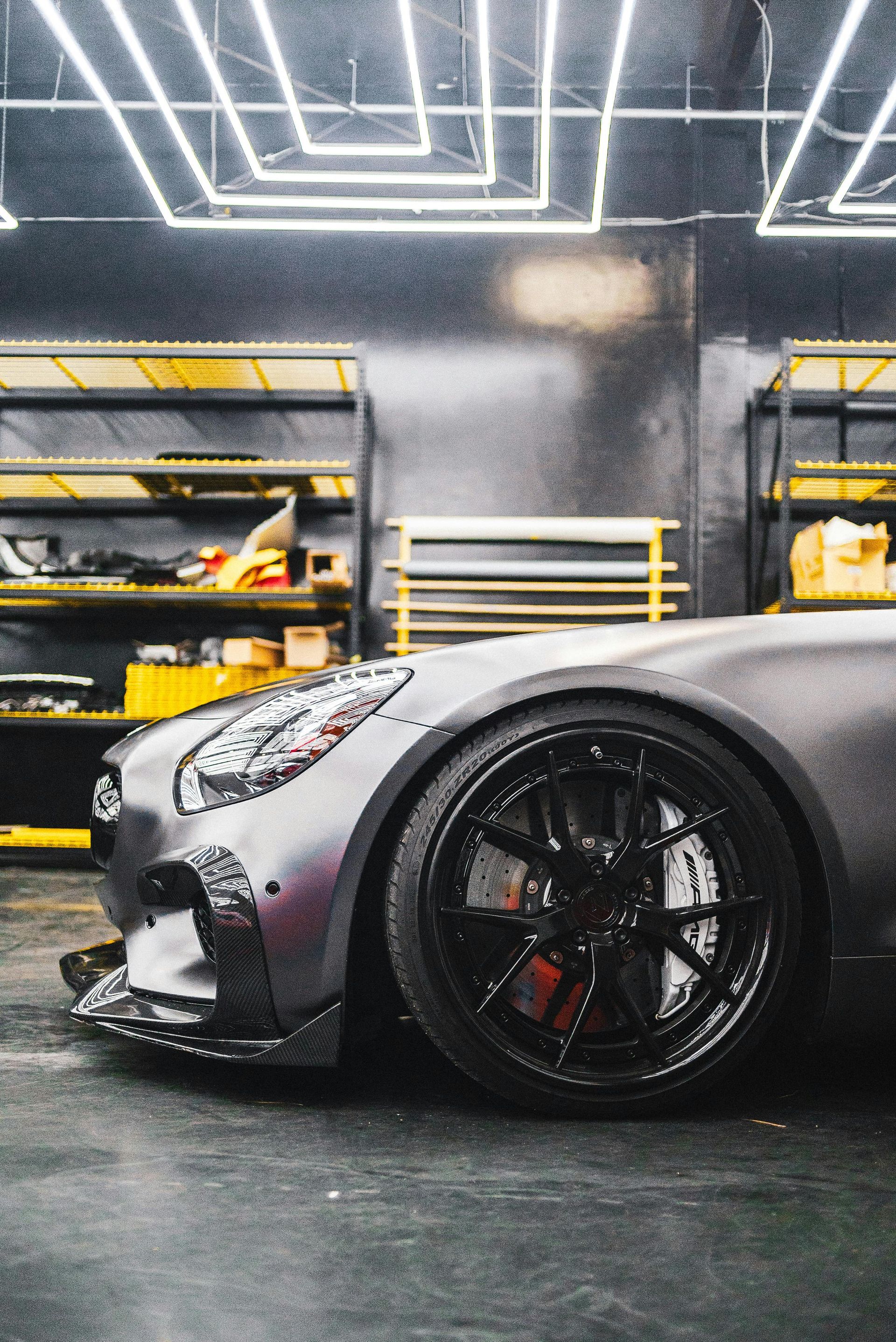
If you must run hot pads daily, shorten your wash interval and cool the car before washing. Spraying cleaner on a hot barrel cooks it into a film that dulls the coating. I have seen owners blame the coating when the culprit was heat-soaked cleaning.
Paint correction mindset, wheel edition
People talk about paint correction like it is a paint-only skill. The same mindset serves you well on wheels: minimize touching, use lubrication when you do touch, and pick the least aggressive method that achieves a clean, uniform surface. If grime resists, extend dwell time and use a brush with more surface area before you reach for harsher chemistry. That judgment call preserves coating life.
On the Spot Mobile Detailers builds this into mobile detailing routes. Time on site is limited, so the techs choose flow rate and dwell over scrubbing harder. The result is faster, gentler cleans that keep our clients’ wheel coatings behaving like new six months in. The same process works at home with a garden hose and patience.
How safe wash fits with the rest of the car
Wheels come first. Always. You will kick up grit and overspray, and you want it off the paint before you touch it. After wheels and tires are rinsed clean and dried, move to a foam pre-soak on the body, then touch wash. Interior coating care and headlight restoration have their own workflows, but thinking holistically matters. Overspray from aggressive cleaners used on wheels can streak oxidized headlights or stain uncoated trim. Keep chemistry mild and controlled, and you protect every surface.
If you have a residential coating on the driveway or garage floor, be mindful of runoff. Strong alkaline wheel cleaners can spot sealed concrete. pH-neutral soaps will not. In marina lots where we also do marine detailing, runoff rules are strict, and the same mild methods we use there transfer nicely to home settings.
Common mistakes that erode coatings
I keep a short mental file of the habits that quietly shorten coating life. Here are five of the most frequent, and how to correct them:
- Washing wheels hot, which bakes residue into a varnish. Fix by pre-cooling with water until the wheel feels cool to the touch. Letting cleaners dry. Fix by working one wheel at a time and keeping the surface wet during dwell. Mixing tools. Fix by dedicating brushes and towels to wheels and replacing them often. Overusing iron remover. Fix by reserving it for visible contamination or quarterly resets. Heavy dressings on tires. Fix by using thin, water-based dressings and wiping excess.
Small adjustments shave minutes off the wash later and keep the surface crisp.
Case notes from the field: On the Spot Mobile Detailers wheel routines
We see a wide range of scenarios every week, from daily commuters to RV detailing and weekend toys. One client runs a German sedan with large, multi-piston brakes. When he first came to On the Spot Mobile Detailers, he was using a strong acid cleaner weekly because dust returned so fast. The coating on the wheels had flattened, and water no longer beaded. We shifted him to a two-bucket wheel wash with a mild alkaline soap, weekly rinses between full washes, and a quarterly decon with iron remover. Within two months, the slickness returned, and the visual difference was obvious, not just in gloss but in how fast the wheels rinsed clean.
Another example is a satin black wheel set on an SUV. The owner complained about streaks and glossy patches. The cause turned out to be layered silicone dressing slung from the tire. We stripped the tire with a strong rubber cleaner, switched to a water-based dressing applied thin, and cleaned the wheels with pH-neutral soap only. The streaking stopped, and the matte finish stayed uniform. Coated satin finishes are unforgiving, and this is where gentle, predictable chemistry pays off.
Winter, salt, and the mid-season refresh
Road salt and de-icers change the game. They creep into seams and dry into sharp crystals that scratch during contact. In snowy months, rinse more often. If you have access to a coin-op bay, a weekly rinse focused on wheel wells, barrels, and brake calipers buys you a lot of life. Follow with a light soap and brush when temperatures permit. Topping the coating with a silica spray before the season starts helps too. It is not a force field, but it gives you a sacrificial layer you can refresh mid-season.
In regions with heavy brine pre-treatment, watch for white filming that looks like calcium scale. A mild alkaline cleaner breaks it down better than pH-neutral soap. Give it time. Scrubbing it off risks micro-marring on gloss black faces, the finish most likely to show swirls.
Are touchless wheel washes enough?
Touchless, high-alkaline washes remove fresh dust well on coated wheels. If you are traveling and hit a touchless tunnel, you will get most of the way there. The problem is twofold: the detergents can be harsh, and touchless systems rarely flush behind spokes effectively. Use them as a stopgap. Resume contact washing soon after, with mild soap, and rinse thoroughly to neutralize any remaining detergent. A quick shot of silica drying aid will help restore slickness if the wash left the surface a bit squeaky.
Matching products to coatings
Not every ceramic coating behaves the same. Some consumer coatings lean toward polymer blends that feel slick but soften under strong alkalines. Professional ceramic coatings tend to be more inorganic and hold up better to cleaners. If your installer left documentation, check the maintenance guidance. When On the Spot Mobile Detailers installs a wheel coating, we list compatible soaps and boosters and include dilution ratios we know work in the field.
If you do not know what is on the wheel, assume a cautious stance for the first few washes: pH-neutral soap, soft brushes, and a light silica spray after drying. Watch how water behaves. Tight, tall beads and quick sheeting suggest a strong coating. Fat beads that hang around mean the surface could use a decon and a booster.
The quiet role of technique on calipers and barrels
Calipers collect dust in pockets that you cannot see from the face. On multi-piston calipers, use a small, soft brush and short strokes. Do not flood the area around the brake lines with harsh cleaner. Rinse with control, not a pinpoint jet at a gasket. Inside the barrel, a long-handled soft brush that reaches the back half of the wheel prevents a halo of grime from peeking through the spokes. Work the first third of the barrel most thoroughly, because that area shows from the side.
If you have painted or powder-coated calipers with a ceramic top coat, treat them like the wheel face. Gentle soap, soft bristles, and quick rinses. Avoid iron remover on bare, polished calipers. It can stain.
Where wheel care meets the rest of your detailing plan
The clean-wheel mindset dovetails with paint correction, interior coating upkeep, and even headlight restoration. Less is more, early is better than late, and tools matter. A few examples:
- During paint correction, cover clean wheels with wheel covers or towels to keep compound dust off. Compound dries into stubborn specks on barrels. After an interior coating appointment, keep strong wheel cleaners capped. Vapor can etch piano black interior trim if you store chemicals inside the vehicle. If you are tackling headlight restoration, finish wheels first. Plastic dust from sanding can cling to wheel faces if they are still wet with dressing or boosters.
These small sequencing choices save time and preserve finishes across the board.
Training notes from On the Spot Mobile Detailers
When we onboard new technicians, the first live training is almost always wheel washing. It sets the tone for everything else. We teach them to choose angles that keep spray from bouncing back into their faces, to read the drip lines that reveal where dirt hides, and to feel for slickness with a gloved fingertip rather than assuming visual clean equals chemical clean. The same care applies whether we are on a driveway for residential coating maintenance or prepping an RV that has been across two seasons of mountain passes. Wheels tell the truth about technique because they are unforgiving and close to the ground.
One tech learned this the hard way on a set of satin bronze wheels. He used a tire brush on a face by accident, leaving a faint track in the sheen. We spent an hour correcting the mistake with gentle polishing, which is risky on satin. That single error reshaped our kit layout so tire and wheel brushes cannot touch in the caddy. Habits protect finishes more than any product does.
A simple, repeatable wash flow
If you like a compact routine you can remember without a checklist, this is the one we teach owners for coated wheels:
- Rinse cool wheels thoroughly with a wide fan pattern, focusing on seams and barrels. Apply pH-neutral wheel soap, agitate with soft brushes and a dedicated mitt, working top to bottom. Rinse completely, then use forced air to blow out lug holes, spoke pockets, and valve stems. Dry with a plush wheel-only towel, using a light silica drying aid if desired. Clean tires and apply a thin, water-based dressing, wiping excess to prevent sling.
That flow takes five to eight minutes per wheel when you have the tools laid out. It is faster than scrubbing at the end of the month with chemistry that works harder than it should.
When to call a reset
If your rinse water stops beading sharply, if the face feels tacky after drying, or if you see iron specks that do not respond to a light dwell of remover, it is time for a professional reset. A detailer can evaluate whether the coating is still there and respond with a decontamination, spot polish on stubborn stains, and a compatible booster. Coated wheels should not need full re-coating more than every one to three years, depending on mileage and pad choice. Maintenance pushes you toward the long end of that range.
On the Spot Mobile Detailers treats these resets as part of routine mobile detailing service. We schedule them seasonally for high-mileage clients, align them with paint correction touch-ups, and bring water quality that prevents spotting during hot months. The difference after a reset is tangible. Brushes glide, dust rinses sooner, and drying towels do not drag.
Final thoughts for long-lived wheel coatings
Safe wash methods do not slow you down, they keep you out of trouble. Clean sooner, use mild products, touch with the right tools, and dry without rubbing grit. Respect heat, and watch your dressing. The reward is a wheel that stays bright with a quick rinse and a light brush, not an hour of scrubbing.
A ceramic coating earns its keep on wheels more than almost anywhere else on the vehicle. Treat it like a performance part, and it will keep doing its quiet work while you enjoy the drive.